

Medical emergency? Call 912 (SAMU ambulance, free) or go to the nearest hospital emergency department. Facial swelling that spreads towards the eye or neck, or that makes it hard to breathe or swallow, is an emergency. Kigali Clinics is a booking service, not a clinic, and does not give medical advice.
Need a dentist in Kigali? Whether it is a routine check-up, a cleaning, a filling or a tooth that has been aching for days, Kigali Clinics helps you find a suitable licensed dental clinic in Kigali and book an appointment. Tell us what you need, which part of the city suits you, and how you will pay. We do the searching and come back to you with options.
Teeth problems are very common. The World Health Organization estimates that oral diseases affect nearly 3.7 billion people, and that untreated tooth decay in permanent teeth is the most common health condition in the world. Most of it is preventable, and much of it is easier and cheaper to treat when it is caught early.
Dental services we can help you book
| Service | When people usually book it |
|---|---|
| Check-up and examination | Routine visit, or before starting a new job or school |
| Scale and polish (cleaning) | Tartar build-up, bleeding gums, bad breath |
| Fillings | A cavity found at a check-up, sensitivity to sweet or cold |
| Root canal treatment | Deep decay or infection inside the tooth |
| Extraction | A badly damaged tooth or a problem wisdom tooth |
| Crowns, bridges and dentures | Replacing broken or missing teeth |
| Orthodontics (braces) | Crooked teeth or bite problems, often in teenagers |
| Children's dentistry | First visits, check-ups and treatment for children |
Not every clinic offers every service. Orthodontics, for example, is a specialist area. When you send a request, tell us the service you need so we can match you with a clinic that actually provides it.
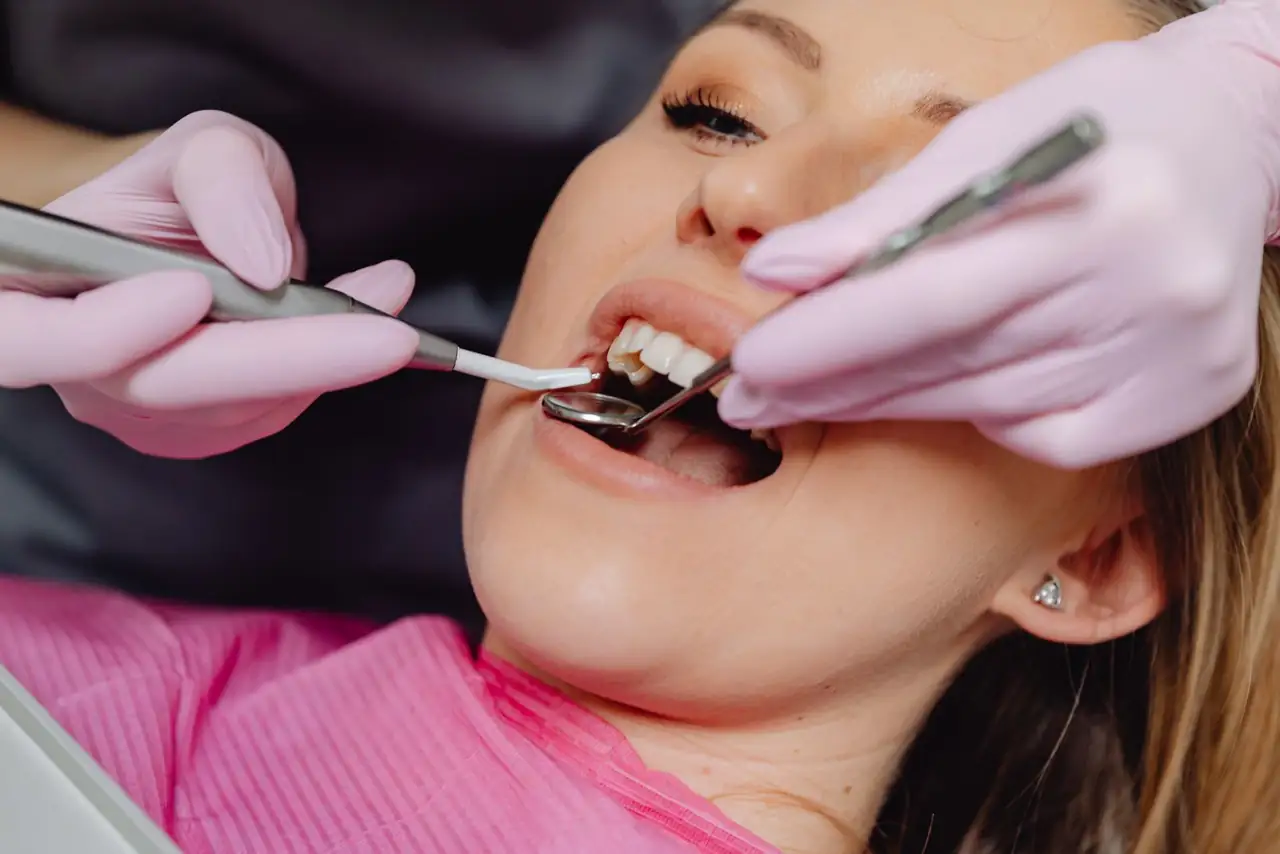
When you should see a dentist soon
The NHS advises seeing a dentist if you have toothache that lasts more than 2 days, or that does not get better with painkillers. Other reasons to book soon include:
- a fever with tooth pain;
- pain when you bite;
- red or swollen gums, or a bad taste in your mouth;
- swelling in your cheek or jaw;
- a broken, chipped or loose tooth;
- a lost filling or crown.
Go to an emergency department or call 912 if you have swelling around your eye or neck, or swelling in your mouth or neck that makes it hard to breathe, swallow or speak. These can be signs of a spreading infection.
What happens at a dental check-up
A typical check-up follows a similar pattern in most clinics:
- History. The dentist asks about any pain or problems, your general health and any medicines you take.
- Examination. They look at your teeth, gums, tongue and the inside of your mouth.
- X-rays if needed. Not every visit needs X-rays. The dentist decides based on what they find.
- Advice and plan. You hear what was found and what treatment, if any, is recommended, with a cost estimate.
- Cleaning. Often done on the same day, or booked for another visit.
- Next visit. The dentist recommends when to come back, based on your own risk of problems.
Ask for a written estimate before any larger treatment, such as a root canal, crown or braces. It helps you compare options and check what your insurer will cover.
Looking after your teeth between visits
The WHO recommends a few simple habits that prevent most problems:
- Brush twice a day with fluoride toothpaste. WHO advises toothpaste containing 1,000 to 1,500 ppm fluoride. Check the label.
- Cut down on sugar. Sweet drinks, sweets and sugary snacks between meals feed the bacteria that cause decay. WHO advises a diet low in free sugars and high in fruit and vegetables.
- Drink water. WHO recommends water as your main drink.
- Do not smoke. Tobacco harms gums and raises the risk of oral cancer.
- Help children brush until they can do it well on their own.
Paying for dental care in Kigali
- RSSB medical scheme. RSSB lists dental care, including prosthesis, among its covered services. RSSB pays 85% and you pay 15%, at accredited facilities contracted with RSSB.
- Private insurance. Dental cover depends on your policy. Check for an annual limit, a waiting period, and whether cosmetic treatment such as whitening is included.
- Paying yourself. Fees vary between clinics and treatments. Contact us for a current quote for the treatment you need.
Our health insurance guide explains how RSSB, Mutuelle and private cover work in more detail.
Choosing a dental clinic: checklist
- The dentist is licensed by the Rwanda Medical and Dental Council (RMDC).
- The clinic offers the specific treatment you need.
- The clinic accepts your insurance, if you have it.
- You get a clear estimate before treatment starts.
- The clinic is easy to reach from your home or office, for example in Remera, Kacyiru, Kimihurura or the city centre.
- The clinic explains how to reach it if you have a problem after treatment.
Related appointments
Many people combine a dental visit with other routine care. You can also request an eye test, a general health check-up, or a visit to a children's doctor for your family.
Book your dental appointment
Use the form on this page, choose "Dentist", and tell us your preferred area, date and payment method. Add a short note, such as "check-up and cleaning" or "toothache, lower left, 3 days". We will come back to you with options. For severe swelling or breathing problems, call 912 instead.
Frequently asked questions
How do I book a dentist in Kigali through you?
Fill in the booking form, choose 'Dentist' and tell us your preferred area, date and how you will pay. We look for a licensed private dental clinic that fits and get back to you by phone or WhatsApp to confirm the appointment details.
What should I do about a toothache?
NHS guidance says to see a dentist if toothache lasts more than 2 days, painkillers do not help, or you have a fever, swelling or pain when biting. Swelling around the eye or neck, or trouble breathing or swallowing, needs emergency care: call 912.
Does RSSB cover dental treatment?
RSSB lists dental care, including prosthesis, among the services covered by its medical scheme, with RSSB paying 85% and the member 15% at accredited facilities contracted with RSSB. Check the clinic is contracted before treatment, and ask whether your treatment needs prior approval.
How often should I see a dentist?
There is no single rule for everyone. Your dentist recommends a check-up interval based on the health of your teeth and gums and your risk of problems. People with a history of decay or gum disease are usually asked to come back more often.
How much does a dental visit cost in Kigali?
Fees depend on the clinic, the treatment and whether you use insurance. A check-up costs less than a root canal or crown, and X-rays may be charged separately. Contact us for a current quote for the treatment you need.
Is my dentist licensed?
Dentists in Rwanda are regulated by the Rwanda Medical and Dental Council (RMDC), which is the only body that can authorise medical and dental practitioners to practise. RMDC publishes updated licence lists on rmdc.rw, and you can ask the clinic for the dentist's details.
Can you book a dentist for my child?
Yes. Choose 'Dentist' in the form and mention your child's age in the message. Some dental clinics see children regularly and are used to nervous young patients. We look for a clinic that is comfortable treating children.